The logging tracks never vanished — they became three new paths.
Jianqing Line
One of CNN's 28 most beautiful trails in the world
Jianqing Historic Trail
0.9 kilometres of old logging track, its mossy rails and switches still in place. In these often-misted mountains, people longed to 'see clear sky' (jianqing) through the white haze — and from that longing the trail takes its name.
Cuifeng Line
The world's first internationally certified Quiet Trail
Cuifeng Lake Loop Trail
Certified by Quiet Parks International in 2022. The moss works like natural sound-proofing; at its quietest, the sound level falls below 25 decibels — a natural recording studio.
Maoxing Line
Taiwan's highest deity procession
The Bonbon Train Pilgrimage Route
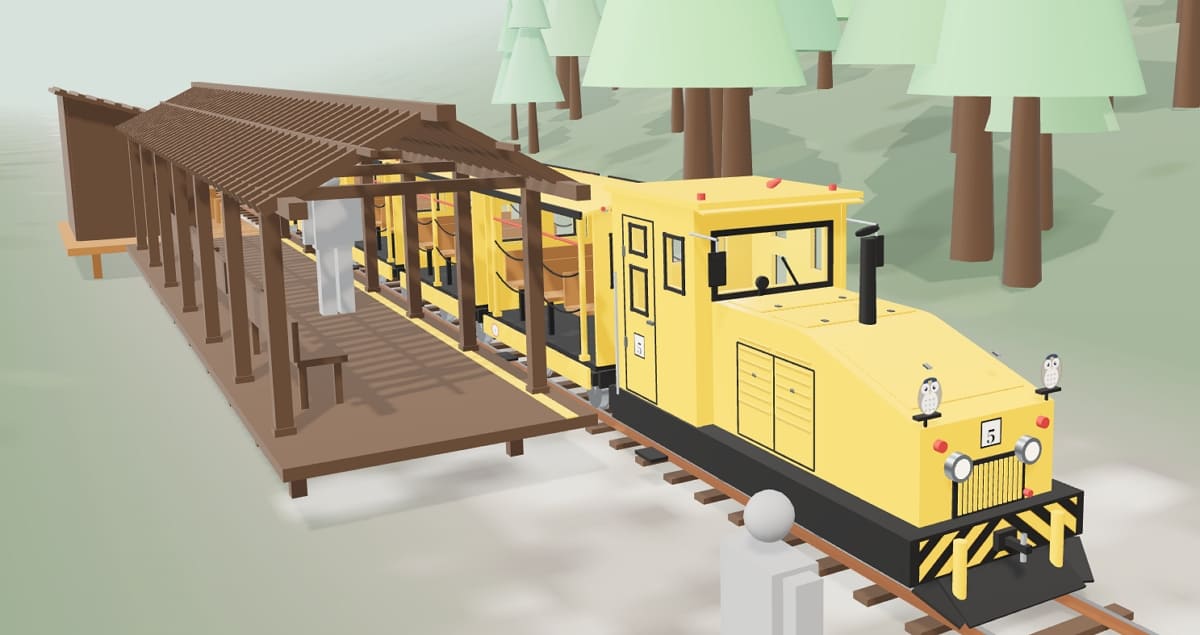
Once a year, a dozen-odd deities ride the same train. The tracks that once carried timber for Japan's shrines now carry the gods themselves.
Each spring, three convoys set out on three routes to carry the gods of Yilan up to the clouds at 1,950 metres — eight temples, eleven deities, a fellowship now more than half a century old.
「Four Mazu go up the mountain — welcoming Mazu is like a homecoming」
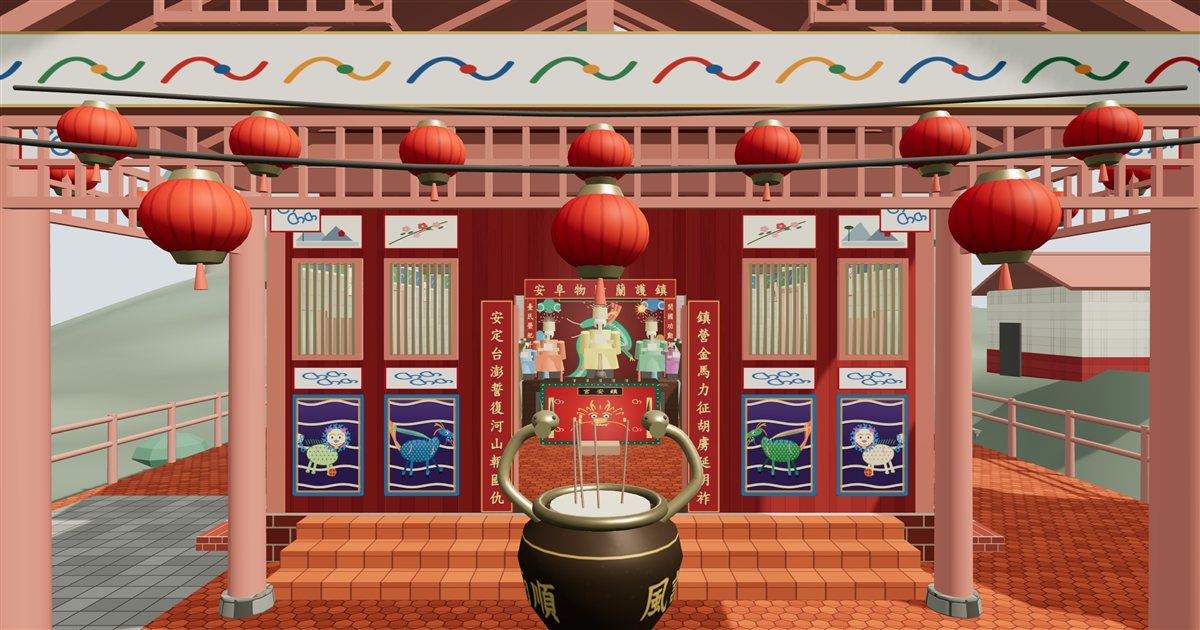
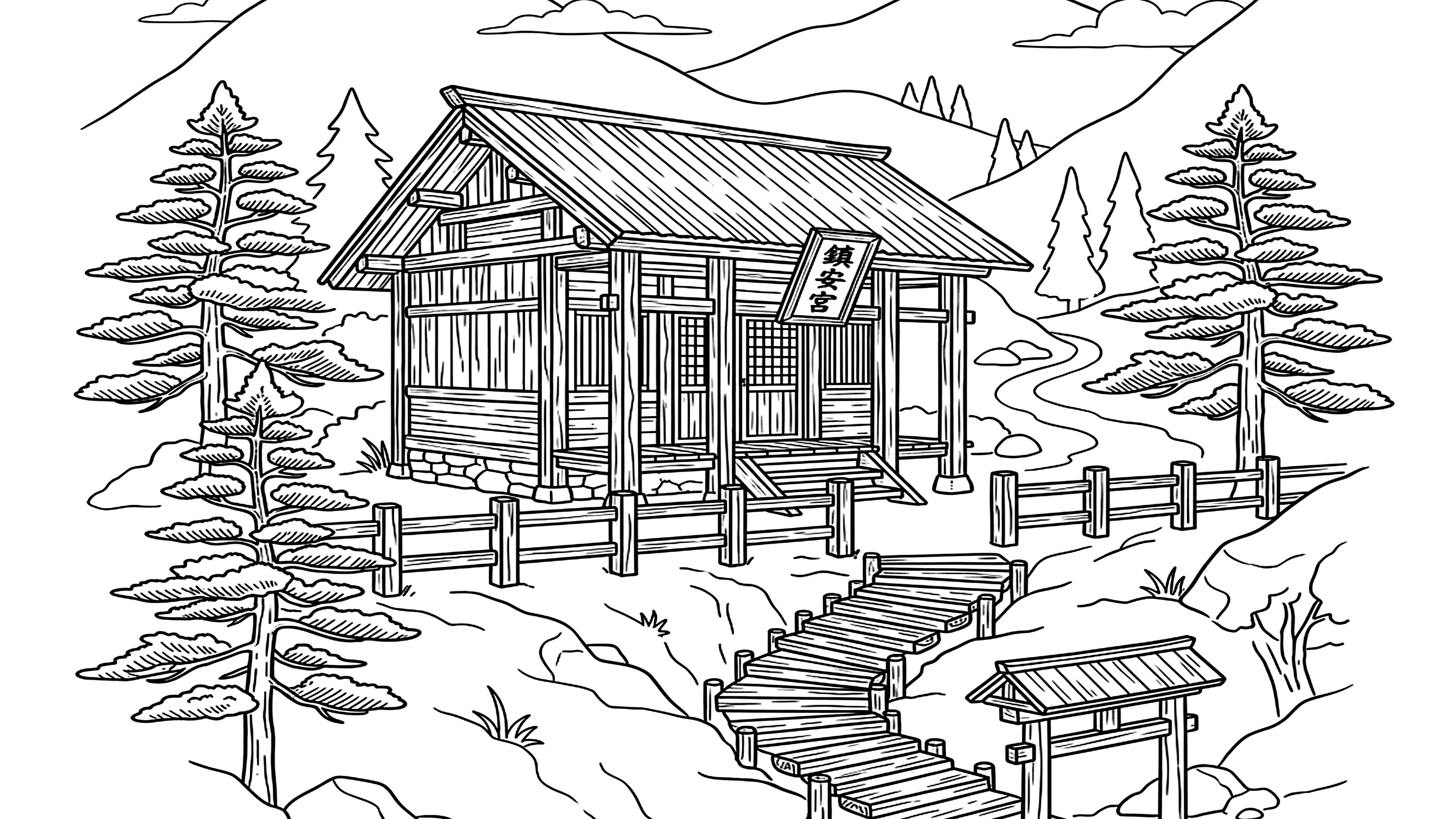
By tradition, a wandering monk carried the deity's image here from the ancestral temple on Meizhou, making it the oldest Mazu temple in Luodong; after the great earthquake of 1922 it was rebuilt, named for 'peace after the quake.' Of the Mazu who come up the mountain as guests each year, four set off from here — one of them a black-faced Mazu.
「Cradling the Jade Emperor's image, choosing the temple site by divination」
It grew from a Tiangong (Jade Emperor) devotional association founded in 1940. In 1945, a devotee named Chen Acai carried the Jade Emperor's image from place to place in search of a site, settling on the present one by casting the divination blocks. The Jade Emperor has watched over Caohu for more than eighty years, and in recent years has been invited up the mountain as a guest by Taipingshan's Koxinga.
「Where the Three Kings first crossed the sea to Yilan」
In 1786, a man named Liao Di from Zhangpu carried the images of the Three Kings across the sea to Kavalan (old Yilan). In 1997 the community preserved the old temple with a 'thousand-person temple move'; the fire-walking rite on the Kings' feast day is the largest palanquin fire-walking in the country.
The Great Sage was brought here from Ziyun Temple in Yilan. During the kominka assimilation years of the Japanese era, the temple survived by making Koxinga — the Sage-King who opened Taiwan — its principal deity, echoing the Koxinga enshrined at the Taipingshan Zhen'an Temple. A crew member who carried the Great Sage up the mountain said: 'Holding the deity in my arms, I felt completely safe.'
「Xuantian Shangdi, brought over from the old country」
During the Tongzhi era of the Qing, an ancestor of the Zhang Lianxing family brought the deity from the old country to Taiwan. In 1906 (Meiji 39) a temple was built on the present site and named Qingchang; it is the spiritual heart of Xi'an neighborhood in Luodong.
Historical
Luodong City God Temple
The City God
1815 · 20th year of the Jiaqing reign
「When the forestry office moved to Luodong, the City God rose in rank too」
It began as a Dazhong Ye (Lord of the Multitude) temple in 1815. In 1924 the Taipingshan forestry office relocated to Luodong and the town center shifted north; in 1934 a new temple was completed and rededicated to the City God — a temple history that bears witness to how the timber industry made Luodong a major town of the Lanyang plain.
The Jiufen Emperor-Lord (Guan Sheng Dijun / Guan Gong)
Qunying Village · formerly Jiufenzi
「The Jiufen Emperor-Lord, watching over Wuchagou」
Qunying Village in Dongshan was once called 'Jiufenzi.' The village's Emperor-Lord temple is dedicated to Guan Gong (Guansheng Dijun), and in earlier days people called it the 'Wuchagou Emperor-Lord Temple' — which is how the name 'Jiufen Emperor-Lord' came about.
Historical
嘉
Luodong Sheng'an Temple
Chiayi Mazu
Postwar · the timber-boom years
「Built to face Taipingshan directly」
Popularly known as the 'Chiayi Temple' — in earlier years many of Luodong's timber merchants came from Chiayi and Yunlin, and it was they who funded this temple. Its orientation faces straight toward Taipingshan, a wish by the loggers for safe passage.
The 2026 Welcoming of Mazu involves eight temples and eleven deities (per event coverage by United Daily News and Liberty Times); temple histories drawn from the National Cultural Memory Bank, the Taiwan Religious Cultural Assets database, and Academia Sinica's Cultural Resources GIS. Temples without a licensed photograph are shown with a character glyph.
Visit· Visit the Incense Road
The Places in the Story, All Reachable Today
Opening hours, trail conditions, and ticketing are subject to the official announcements of the Yilan Branch of the Forestry and Nature Conservation Agency.
「Just up the steps behind Taipingshan Lodge, under ten minutes into the ancient hinoki forest」
600 m loop · about 30 minutes · second-generation trees
Official info ↗ ↗
Cloud Pilgrimage· Cloud Pilgrimage
A Digital Faith in the Mountain Mist
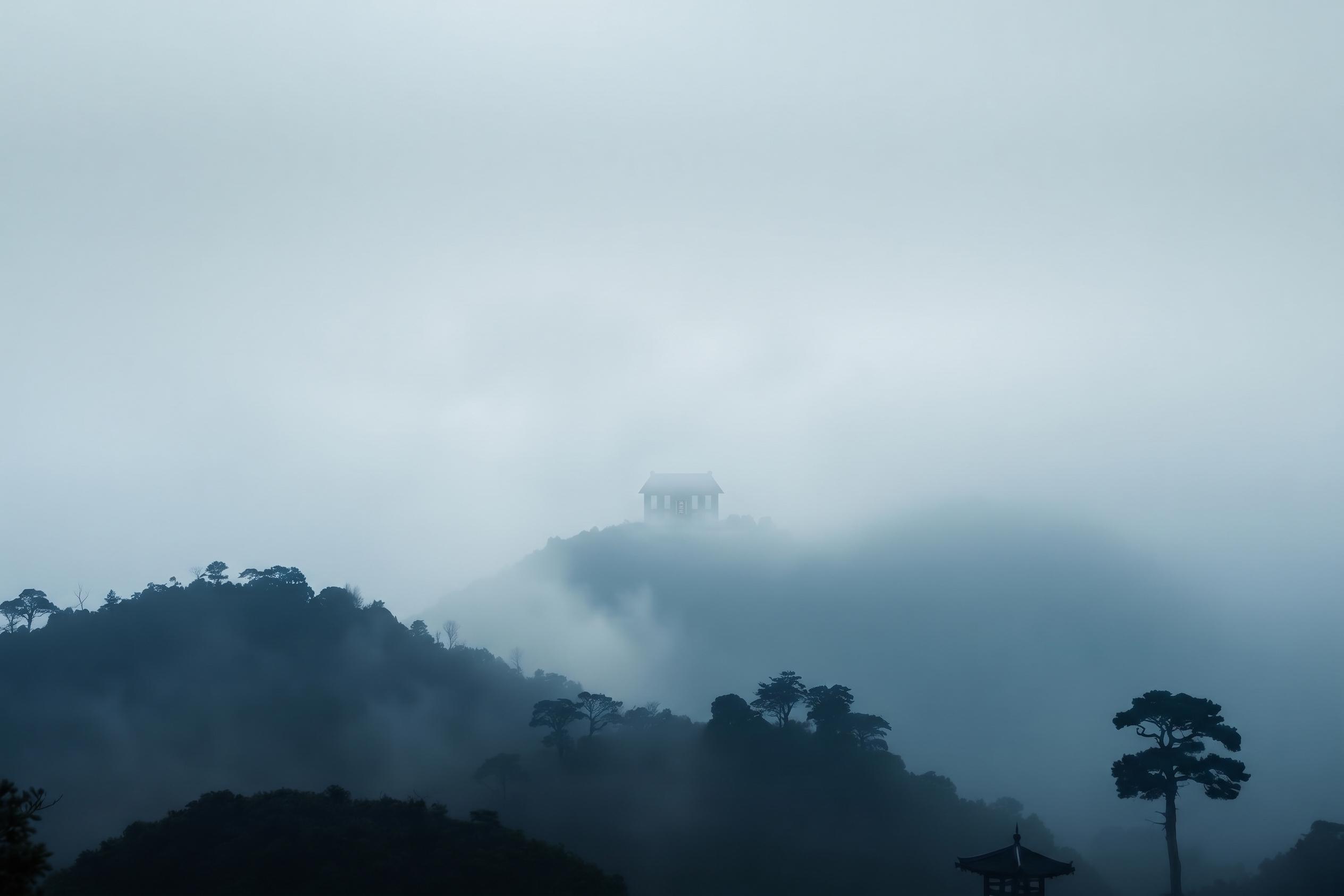
Taipingshan is wrapped in cloud and mist year-round; the “Taiping Sea of Clouds” was once ranked among Taiwan's Twelve Scenic Wonders, as if standing among the clouds themselves. Today we carry this faith on in digital form, so that devotees far from the mountain can witness, over the network, every step of Mazu's procession.